Introduction
In today's digital-first world, software powers everything from mobile applications and eCommerce platforms to enterprise systems and cloud-based solutions. However, building successful software requires more than writing code. It demands a structured process that ensures projects are completed on time, within budget, and with the highest quality standards. This is where the Software Development Life Cycle (SDLC) plays a vital role.
The SDLC is a systematic framework that guides software development from initial planning to deployment and ongoing maintenance. It helps businesses minimize risks, improve collaboration, reduce development costs, and deliver software that meets user expectations. Whether you're a startup launching your first application or an enterprise modernizing legacy systems, following a well-defined SDLC can significantly improve project outcomes.
In this guide, you'll learn what the Software Development Life Cycle is, its key phases, popular SDLC models, best practices, common challenges, and why adopting the right development process is essential for building high-quality software.
What Is the Software Development Life Cycle (SDLC)?
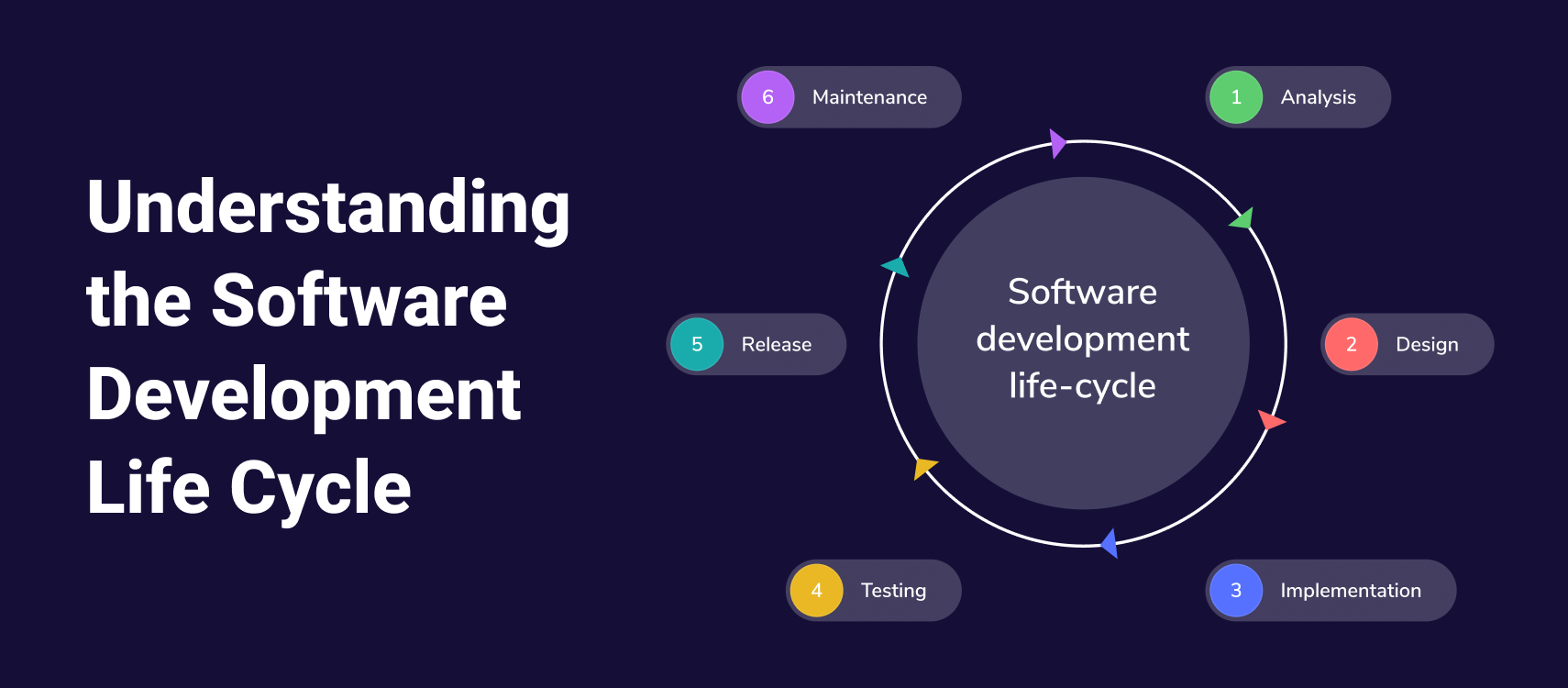
The Software Development Life Cycle (SDLC) is a structured methodology used to plan, design, develop, test, deploy, and maintain software applications. It provides a clear roadmap that helps development teams create reliable, scalable, and secure software while ensuring every stage of the project is carefully managed.
The primary objectives of SDLC include:
- Delivering high-quality software
- Reducing development risks
- Improving project planning
- Enhancing collaboration among teams
- Meeting customer requirements
- Optimizing development costs
- Accelerating software delivery
A well-executed SDLC ensures that software is not only functional but also secure, maintainable, and aligned with business goals.
Why Is SDLC Important?
Organizations rely on SDLC because it brings consistency and efficiency to software development projects.
Better Project Planning
A structured development process helps teams define project scope, timelines, budgets, and resource requirements before development begins.
Improved Software Quality
Each phase includes validation and testing activities that help identify issues early, reducing costly defects after deployment.
Reduced Development Costs
Fixing issues during planning or development is far less expensive than resolving problems after the software is released.
Enhanced Team Collaboration
Developers, designers, testers, project managers, and stakeholders work together throughout the project lifecycle.
Faster Time-to-Market
Clearly defined workflows reduce delays and streamline software delivery.
The Seven Phases of the Software Development Life Cycle
1. Planning
Every successful software project begins with careful planning.
During this phase, organizations define:
- Business objectives
- Project scope
- Budget
- Timeline
- Resource allocation
- Technical feasibility
- Potential risks
A strong planning process helps prevent misunderstandings and ensures the project starts with clear expectations.
2. Requirements Gathering and Analysis
Understanding user and business requirements is one of the most critical SDLC stages.
Teams gather information through:
- Stakeholder meetings
- User interviews
- Market research
- Competitor analysis
- Technical assessments
The final output is a detailed Software Requirements Specification (SRS) document that guides the entire project.
3. System Design
Once requirements are finalized, developers and architects design the software architecture.
This includes:
- Database design
- User interface (UI)
- User experience (UX)
- System architecture
- API design
- Security architecture
Businesses investing in UI/UX Design Services can create intuitive and user-friendly interfaces that improve customer satisfaction and enhance the overall software experience.
4. Development
This is where the actual coding begins.
Developers transform design specifications into functional software using programming languages, frameworks, and development tools.
Common development activities include:
- Front-end development
- Back-end development
- Database implementation
- API integration
- Feature development
- Version control
Following coding standards ensures maintainable and scalable software.
5. Testing
Before deployment, the software undergoes extensive testing to identify and resolve issues.
Common testing types include:
- Functional Testing
- Integration Testing
- Regression Testing
- Performance Testing
- Security Testing
- Compatibility Testing
- User Acceptance Testing (UAT)
Organizations offering Software Testing & Quality Assurance Services help ensure applications are secure, reliable, and ready for production by identifying defects early in the development lifecycle.
6. Deployment
Once testing is complete, the application is released to users.
Deployment may involve:
- Cloud deployment
- On-premises installation
- Mobile app publishing
- Production environment configuration
- User training
Many organizations adopt Continuous Deployment (CD) strategies for faster software releases.
7. Maintenance
Software development doesn't end after launch.
Maintenance includes:
- Bug fixes
- Performance improvements
- Security updates
- Feature enhancements
- Compatibility updates
- Technical support
Continuous maintenance ensures software remains secure, efficient, and aligned with evolving business needs.
Popular SDLC Models
Different projects require different development approaches.
Waterfall Model
A linear approach where each phase is completed before the next begins.
Best suited for:
- Well-defined projects
- Stable requirements
- Government projects
Agile Model
Agile delivers software through short development cycles called sprints.
Advantages include:
- Faster feedback
- Greater flexibility
- Continuous improvement
- Better customer collaboration
Ideal for rapidly changing business requirements.
Spiral Model
Combines iterative development with continuous risk analysis.
Suitable for:
- Large enterprise applications
- High-risk projects
- Complex systems
V-Model
Each development phase has a corresponding testing phase.
This model emphasizes quality assurance throughout development.
DevOps Model
DevOps integrates development and operations using automation and continuous delivery.
Benefits include:
- Faster deployments
- Improved collaboration
- Continuous monitoring
- Better software reliability
Best Practices for a Successful SDLC
Organizations can improve project outcomes by following these proven practices.
Clearly Define Requirements
Accurate requirements reduce misunderstandings and costly revisions.
Choose the Right SDLC Model
Select a development methodology based on project complexity, timelines, and business goals.
Prioritize Security
Security should be integrated throughout every development phase rather than added later.
Implement Continuous Testing
Regular testing identifies issues early and improves software quality.
Encourage Team Collaboration
Open communication between developers, testers, designers, and stakeholders reduces project risks.
Use Version Control
Version control systems help teams manage code efficiently and collaborate effectively.
Monitor Performance After Deployment
Collect user feedback and application metrics to support continuous improvement.
Common SDLC Challenges
Even experienced teams encounter challenges during software development.
Changing Requirements
Frequent requirement changes may affect timelines and budgets.
Poor Communication
Lack of collaboration often leads to misunderstandings and project delays.
Inadequate Testing
Insufficient testing increases the risk of production defects.
Budget Constraints
Limited resources may affect development quality and delivery schedules.
Security Risks
Ignoring security during development can expose applications to cyber threats.
Benefits of Following the SDLC
Businesses that adopt a structured SDLC enjoy numerous advantages.
- Improved software quality
- Faster project delivery
- Better customer satisfaction
- Lower development costs
- Reduced project risks
- Enhanced team productivity
- Easier maintenance
- Greater scalability
- Stronger security
- Higher return on investment
These benefits make SDLC a critical framework for organizations developing modern digital solutions.
Future Trends in Software Development Life Cycle
The SDLC continues evolving as technology advances.
Key trends shaping software development include:
AI-Assisted Development
Artificial Intelligence is helping developers generate code, automate testing, and improve project management.
DevSecOps
Security is becoming an integrated part of every development stage.
Low-Code and No-Code Platforms
Businesses are accelerating software delivery using visual development tools.
Cloud-Native Development
Cloud technologies improve scalability, deployment speed, and system reliability.
Hyperautomation
Organizations increasingly automate development, testing, deployment, and monitoring processes.
How Businesses Can Maximize SDLC Success
To achieve the best outcomes, organizations should:
- Invest in detailed planning
- Gather complete business requirements
- Adopt Agile or DevOps where appropriate
- Perform continuous testing
- Focus on secure coding practices
- Maintain clear documentation
- Monitor software after deployment
- Continuously improve development processes
A disciplined approach helps teams deliver software that meets both business objectives and user expectations.
Conclusion
The Software Development Life Cycle (SDLC) provides a proven framework for building reliable, scalable, and secure software. By following a structured process—from planning and requirements gathering to testing, deployment, and maintenance—organizations can reduce risks, improve collaboration, control costs, and deliver high-quality digital products.
As software continues to drive business innovation in 2026 and beyond, adopting the right SDLC model and following industry best practices will become increasingly important. Whether you're developing a web application, mobile app, enterprise platform, or cloud solution, a well-implemented SDLC ensures that every stage of development contributes to long-term project success.
Investing in a strong software development process today lays the foundation for better performance, higher customer satisfaction, and sustainable business growth in the future.
Frequently Asked Questions (FAQs)
1. What is the Software Development Life Cycle (SDLC)?
The Software Development Life Cycle (SDLC) is a structured framework used to plan, design, develop, test, deploy, and maintain software applications efficiently while ensuring quality and reliability.
2. Why is SDLC important in software development?
SDLC helps reduce development risks, improve software quality, optimize costs, enhance collaboration, and ensure projects are delivered on time while meeting business requirements.
3. What are the main phases of the SDLC?
The seven primary phases are Planning, Requirements Gathering, System Design, Development, Testing, Deployment, and Maintenance.
4. Which SDLC model is best for modern software projects?
The best model depends on the project's requirements. Agile is ideal for projects requiring flexibility and continuous improvements, while Waterfall works well for projects with clearly defined requirements.
5. How does testing fit into the SDLC?
Testing is a dedicated phase that verifies software functionality, performance, security, and usability. It helps identify and fix defects before the software is released to users.
6. What is the difference between SDLC and Agile?
SDLC is the overall framework for software development, while Agile is one of the methodologies used within the SDLC to deliver software through iterative development cycles.
7. How can businesses improve their SDLC process?
Businesses can improve SDLC by defining clear requirements, choosing the right development model, implementing continuous testing, integrating security throughout development, encouraging team collaboration, and monitoring software after deployment.
8. Is SDLC suitable for small businesses?
Yes. Businesses of all sizes can benefit from SDLC because it provides a structured approach to managing software projects, improving quality, reducing costs, and delivering reliable applications efficiently.